For a excellent detailed guide with images, visit the site "The Woks of Life": Detailed Wok Care Instructions
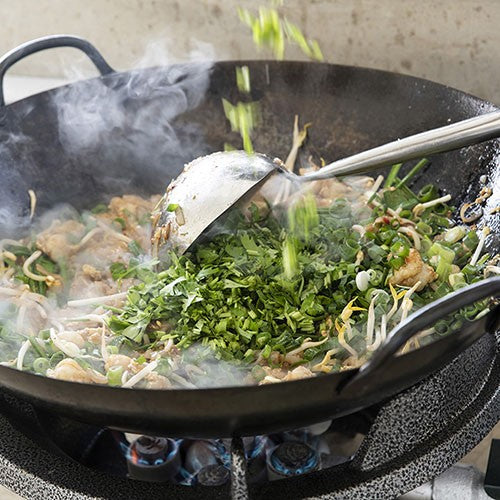
Wok Care Instructions
Related Posts

Cleaning & Caring for Your Wooden Board
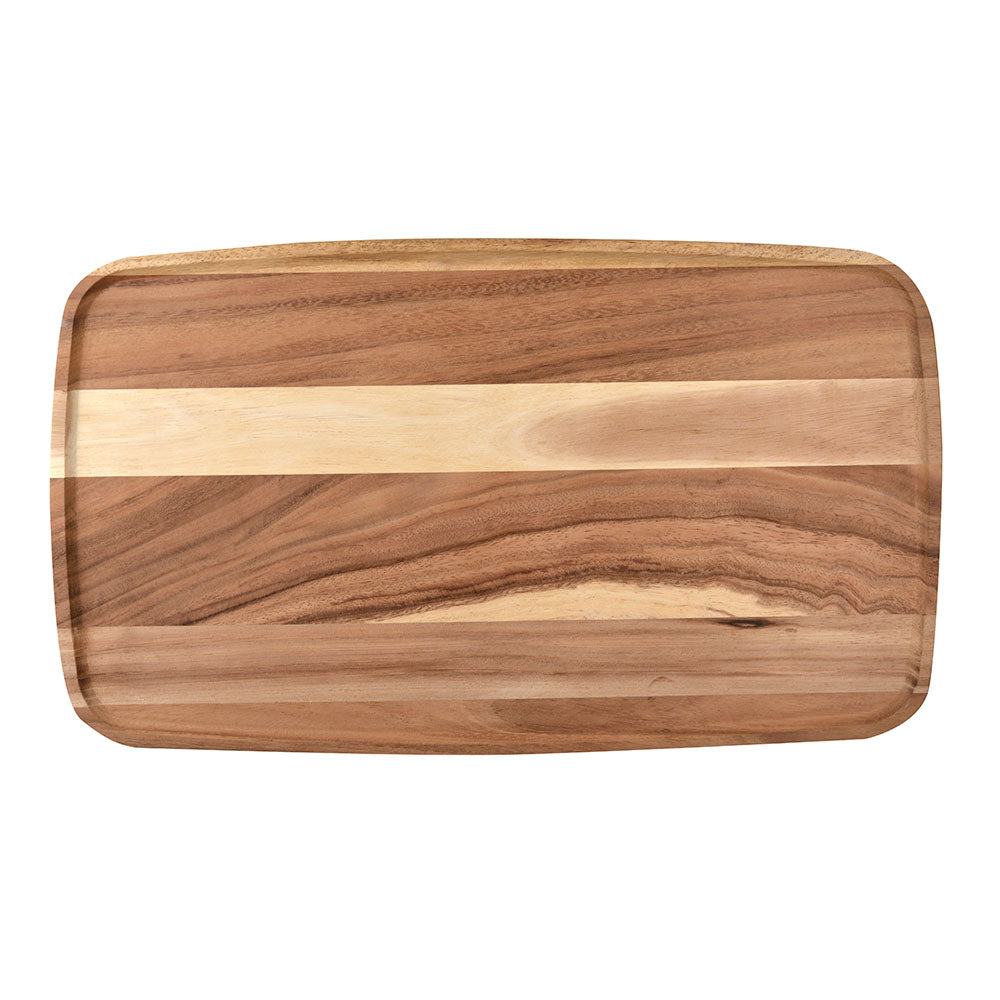
A quality wooden board is more than just a kitchen essential. From preparing family meals to serving grazing platters when entertaining, it's often at the centre of everyday moments. With a little care & regular maintenance, your wooden boards can retain their natural beauty & continue to be enjoyed for years to come. DAILY CARE To keep your board looking its best, wash with warm soapy water after use, rinse thoroughly & allow it to dry upright. Every few weeks, sprinkle coarse salt across the surface & gently rub with a cut lemon before rinsing clean. This simple refresh can help maintain the board's appearance & remove lingering odours. WHY OILING MATTERS Just like timber furniture, wooden boards benefit from regular nourishment. Applying mineral oil helps prevent drying, cracking & moisture absorption, keeping the timber hydrated while enhancing its natural grain & character. WHAT YOU'LL NEED Dishwashing liquid Soft cloth Large bowl Mineral oil HOW TO OIL YOUR WOODEN BOARD Wash your board in warm soapy water, rinse thoroughly & dry with a soft cloth. Place your bottle of mineral oil in a bowl of hot water for approximately 10 minutes, or until warm to the touch. Apply a generous amount of oil to a soft cloth & rub evenly across the entire surface of the board. Allow the oil to soak into the timber for at least six hours before wiping away any excess with a clean cloth. SHOP WOOD REVITALISING MINERAL OIL → Keep your wooden boards, serving pieces & kitchen accessories looking their best with our Wood Revitalising Mineral Oil, designed to nourish & protect natural timber.
Learn more
Barware Care Guide
To promise the quality of your barware is upheld ensure that the correct measures of care are employed. Stainless Steel: Hand wash with warm, soapy water using a soft sponge or cloth. Rinse thoroughly with clean water to remove any soap residue. Dry immediately with a soft, lint-free cloth to prevent water spots. Avoid using abrasive cleaners, scrub brushes, or harsh chemicals that may scratch the surface. For stubborn stains, soak the barware in a mixture of warm water and mild detergent before washing. Do not use metal scrubbers or steel wool pads as they can damage the stainless-steel finish. Store in a dry, well-ventilated area to prevent moisture buildup and corrosion. Periodically polish with a stainless-steel cleaner to maintain shine and remove fingerprints. Gold Barware Hand wash with mild soap and warm water to preserve the gold finish. Avoid using abrasive cleaners or scrubbing pads that may scratch or damage the gold plating. Dry thoroughly with a soft cloth immediately after washing to prevent water spots and tarnishing. Do not soak in water or leave submerged for extended periods. Avoid contact with acidic foods or beverages that may corrode or discolor the gold. Store in a dry, cool place away from direct sunlight to prevent fading or tarnishing. Handle with care to avoid accidental drops or impacts that may chip or scratch the gold surface. Polish gently with a soft cloth or gold polish as needed to maintain shine and luster. Glass Barware: Hand wash with mild soap and warm water immediately after use to prevent residue buildup. Use a soft sponge or cloth to gently clean both the inside and outside of the glassware. Avoid using abrasive cleaners or harsh chemicals that may scratch or damage the glass. Dry thoroughly with a lint-free cloth to prevent water spots and maintain clarity. Store glassware upright in a well-ventilated cabinet or shelf to prevent dust accumulation. Handle with care to avoid chipping or breakage, especially when stacking or transporting. Avoid sudden temperature changes, such as placing hot glassware in cold water, to prevent thermal shock. For delicate or decorative glassware, consider hand washing with extra caution to preserve intricate designs.
Learn more
Dinnerware Care Guide
To promise the quality of your Dinnerware is upheld ensure that the correct measures of care are employed. Stoneware: Hand wash with mild detergent and warm water before first use to remove any manufacturing residues. Avoid using abrasive cleaners, scouring pads, or harsh chemicals that may damage the stoneware surface. Do not place stoneware directly on stovetops, hotplates, or open flames as it may cause thermal shock and damage. Use oven mitts or potholders when handling hot stoneware items to prevent burns. Allow stoneware to cool before immersing in cold water to prevent cracking. To prevent scratching, avoid stacking stoneware items directly on top of each other without padding. To prevent possible damage avoid stacking stoneware in the dishwasher in a manner where it is touching other items. Avoid sudden temperature changes, such as transferring stoneware from freezer to oven, as it may cause cracking. Store stoneware items in a dry, well-ventilated area to prevent moisture buildup and potential mold growth. Regularly inspect stoneware for any signs of damage or wear and discontinue use if cracks or chips are present to prevent injury. Bone China: Hand wash with mild detergent and warm water to preserve the delicate nature of bone China. Alternatively, when using a dishwasher ensure that Bone China is stacked appropriately and not touching other items. Avoid using abrasive cleaners, scouring pads, or harsh chemicals that can scratch or damage the surface. Dry immediately with a soft, lint-free cloth to prevent water spots or mineral deposits. Handle with care to avoid chipping or breakage, especially when stacking or storing. Use felt or cloth padding between plates when stacking to prevent scratching. Avoid sudden temperature changes, such as placing hot dishes directly on a cold surface or vice versa, to prevent cracking. Microwave use may be possible but avoid prolonged exposure to high heat to prevent damage. Store in a cool, dry place away from direct sunlight and humidity to prevent discoloration or deterioration over time. Melamine: Hand wash to preserve finish and prevent scratching. Avoid abrasive cleaners, scouring pads, or harsh chemicals that can damage the surface. Do not use in microwave, oven, or on stovetop as melamine is not heat resistant. Dry thoroughly after washing to prevent water spots or staining. Store in a cool, dry place away from direct sunlight to prevent discoloration. Handle with care to prevent cracking, especially with sharp utensils. Do not use melamine dinnerware with foods or beverages exceeding 160°F (70°C). Avoid prolonged exposure to acidic foods or beverages, as they can cause discoloration over time.
Learn more